This week, we made an exciting new discovery — the ruby-throated hummingbirds.
One year ago, it felt almost impossible for us to capture a photo of these tiny, lightning-fast birds. But with time, practice, and patience, we finally did it. With cameras, we are learning to enjoy the little things in nature that we usually miss in our fast-paced life.
1. Ruby-throated Hummgingbird
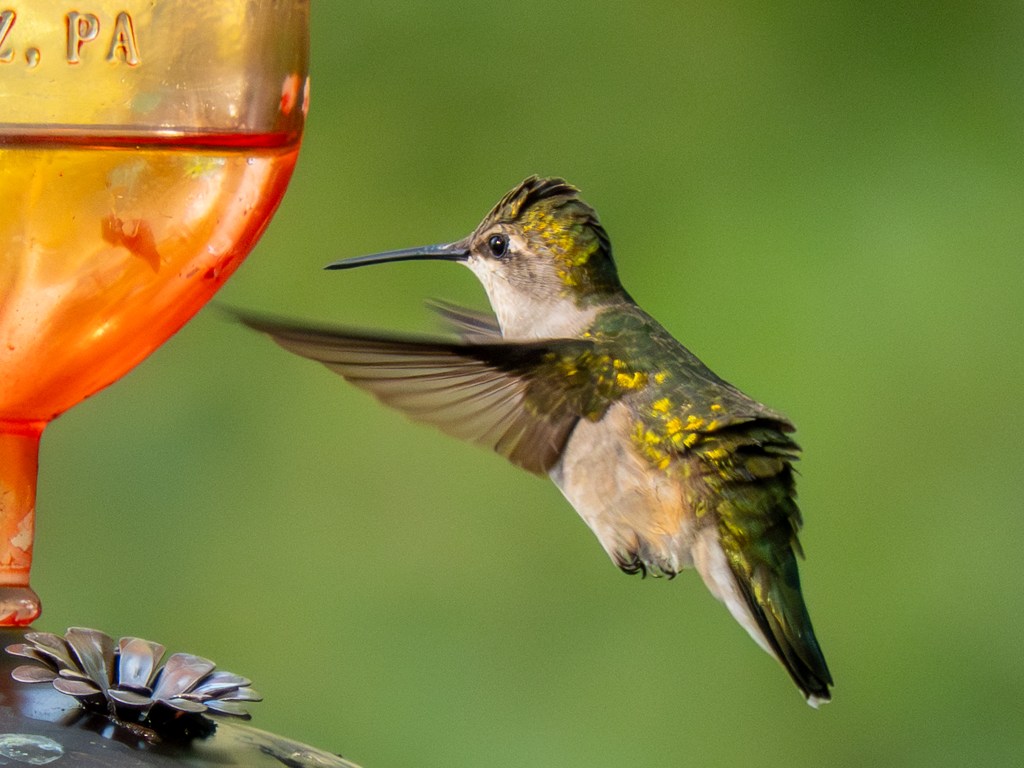
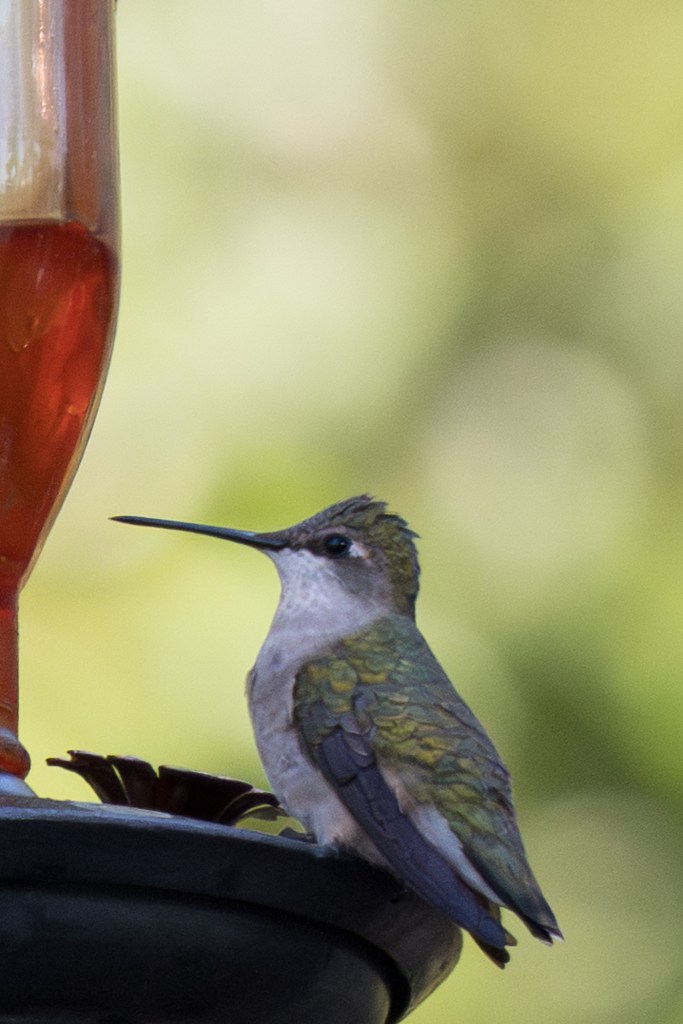

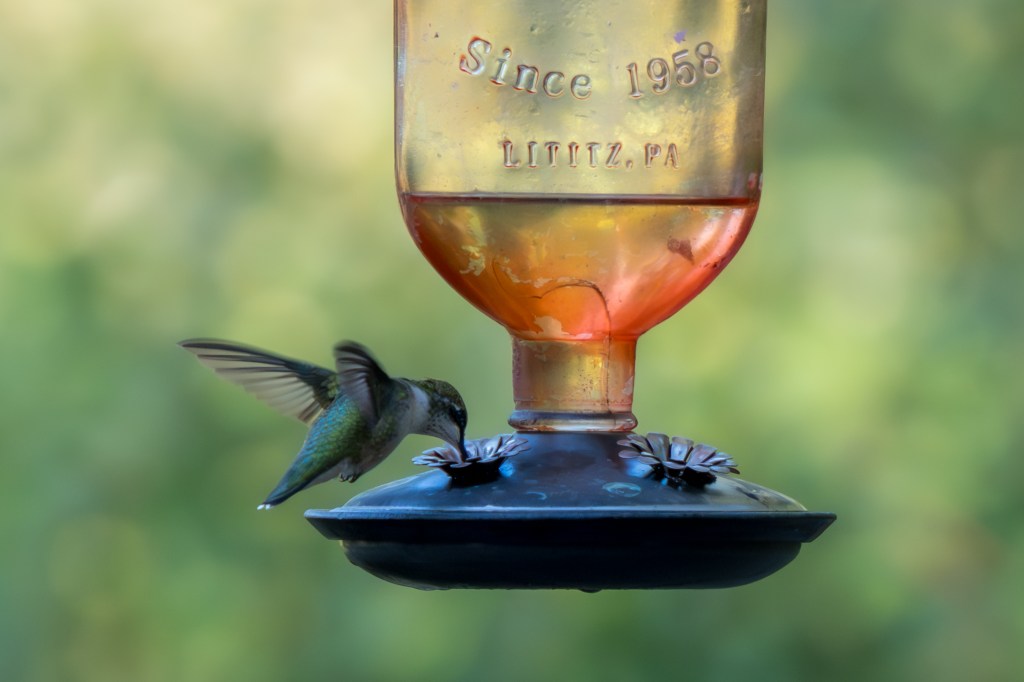
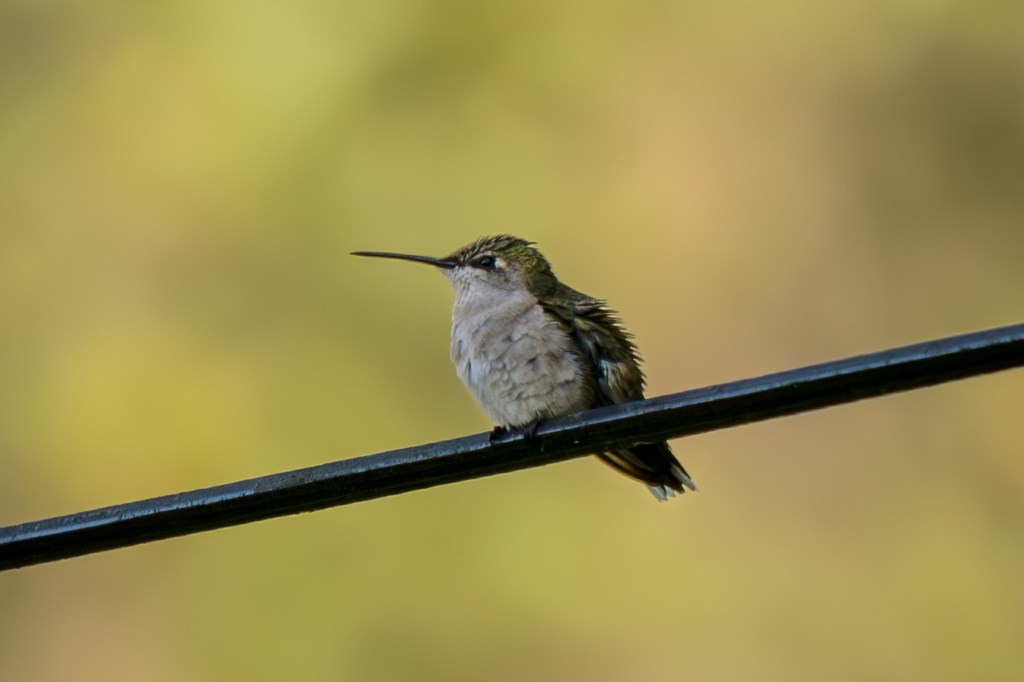
We prepared sugar water in the hummingbird feeder and make sure to refresh it every few days.
We notice that they are mostly active in the early morning and at dusk. They stop by for a quick sip, rest, and then fly away. About 10 minutes later, they return back.
Once we know their routine, we can simply wait in our yard and enjoy watching them.
2. “Bees”, A Lot of “Bees”
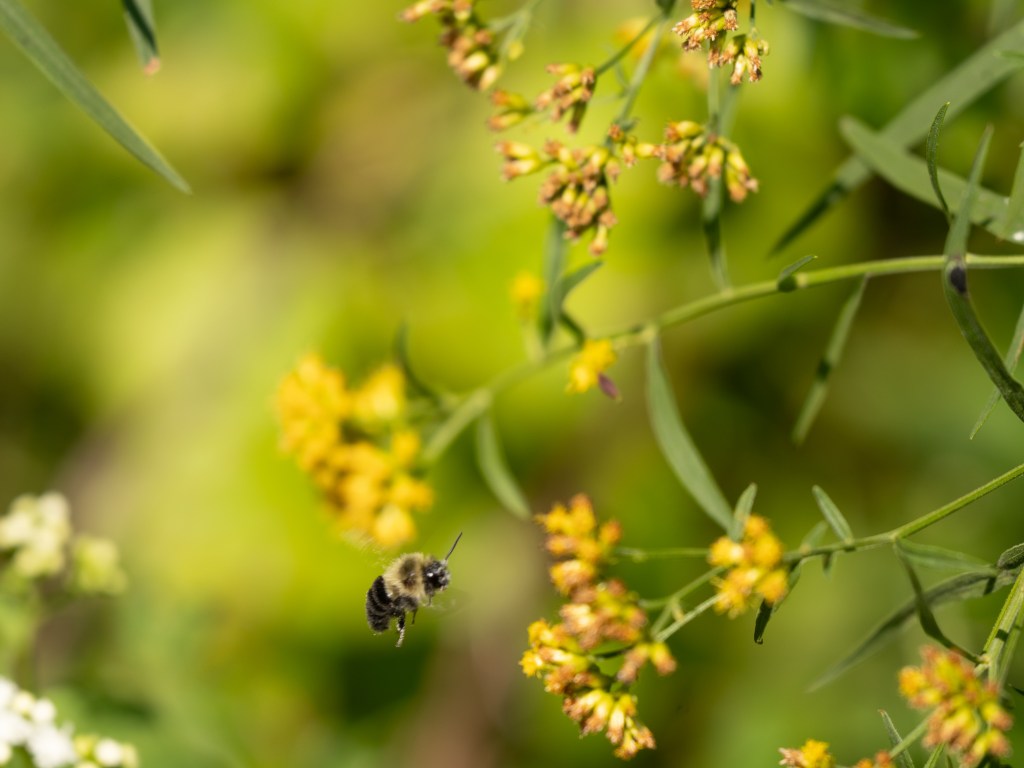

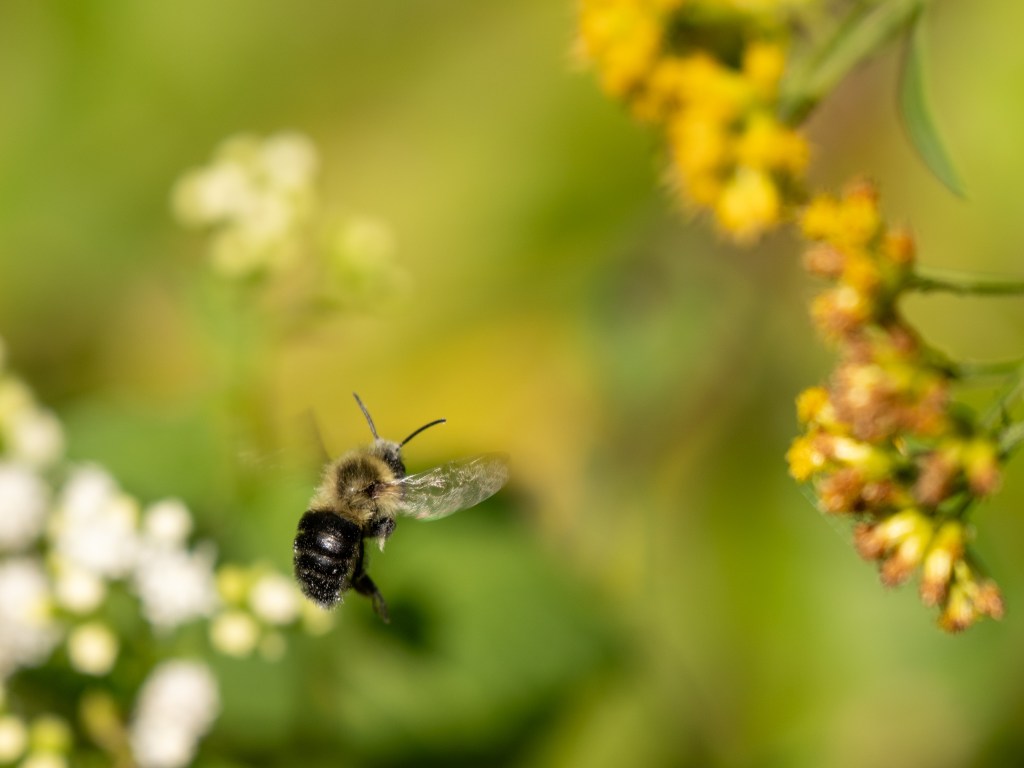

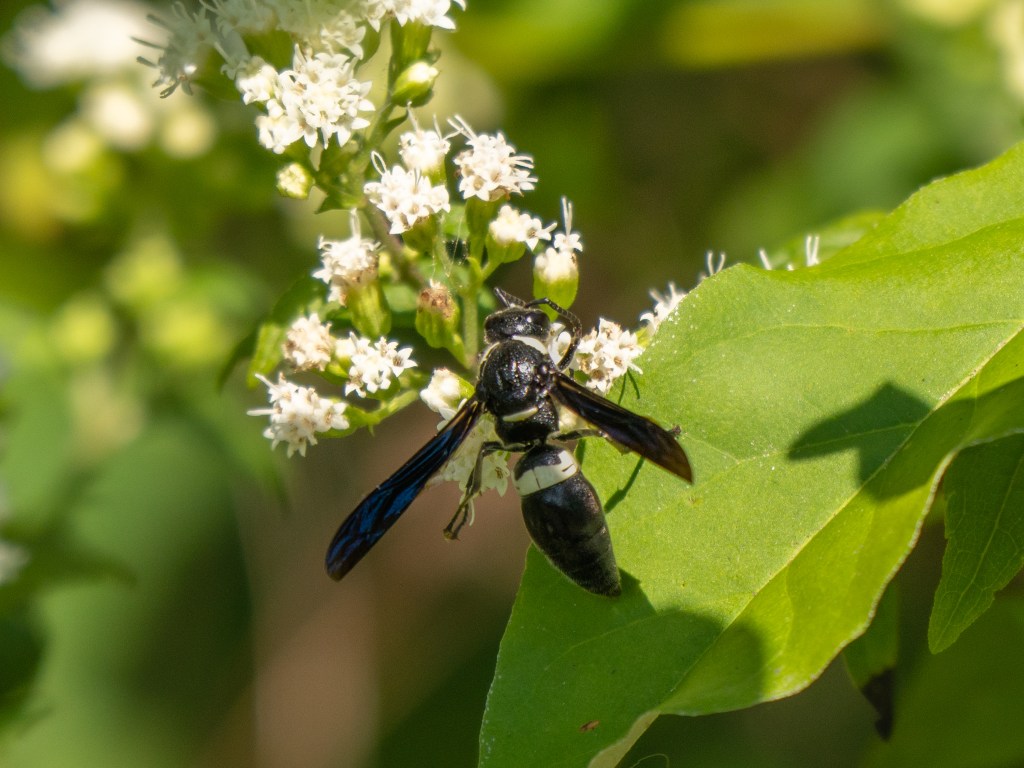
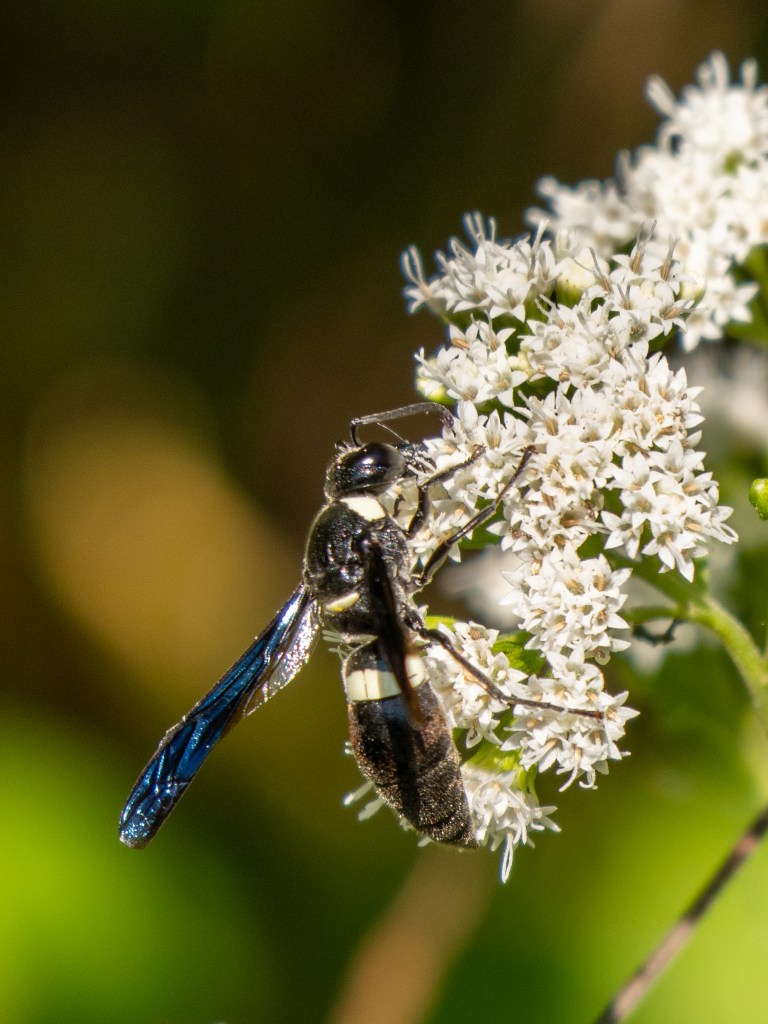
Before we started taking photos for nature blog, I called all bees just “bees.” Any wasps were “sting bees.” I couldn’t tell one type of wasp from another.
Since we started sharing our nature exploration, we began noticing the details of these fascinating small animals.
We learned that bumblebees and carpenter bees are very different. Bumblebees are fuzzy and round. Carpenter bees are shiny and smooth.
The wasp above is called the four-toothed mason wasp. We asked “Do they really have only four teeth?” Then we learned that the name comes from the four ivory markings on their exoskeleton. They look like teeth.
3. Harvestman
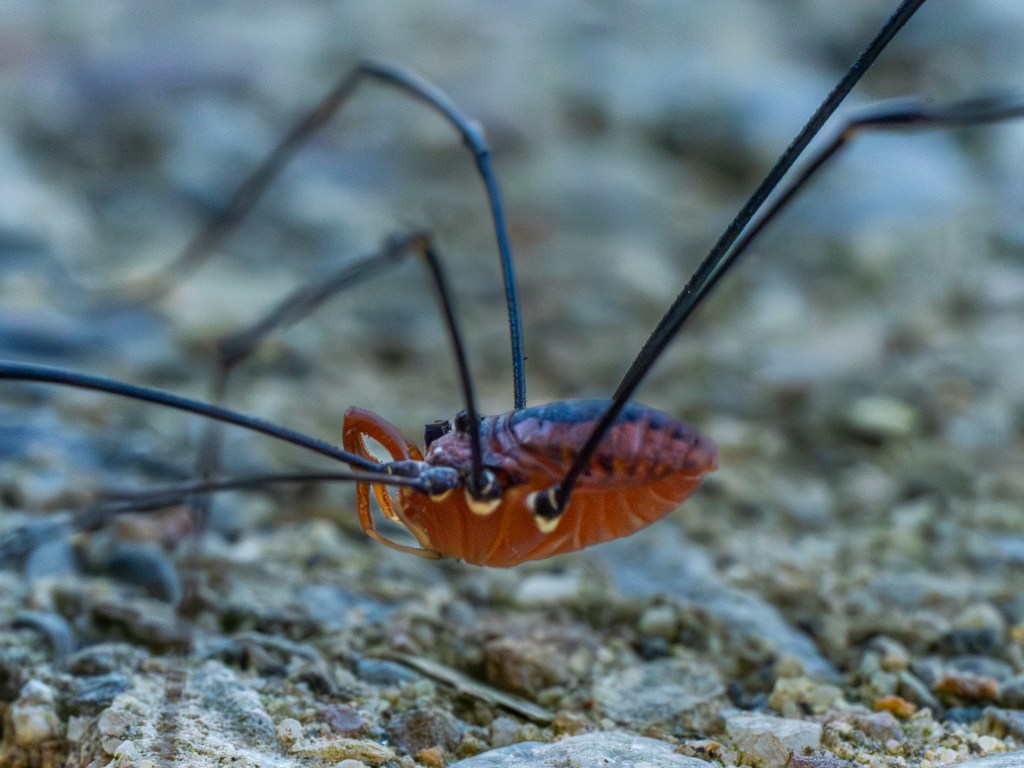


At first, we were a little scared of these long-legged “monsters.” And how many of you thought they were spiders?
They are not spiders at all. They are called Daddy longlegs. There are thousands of species. We see two different suborders as above. Some of them are even threatened.
Harvestmen are not venomous. They look scary, but they are harmless.
They are very old. They have probably been around for millions of years. They don’t see very well. They use their longest legs as feelers.
It is common for them to lose one or more legs. Missing legs won’t grow back. Sadly, one of the harvestmen we saw has lost his two legs.
If you see one, be gentle and let it move safely.
3. Metasequoia Cone
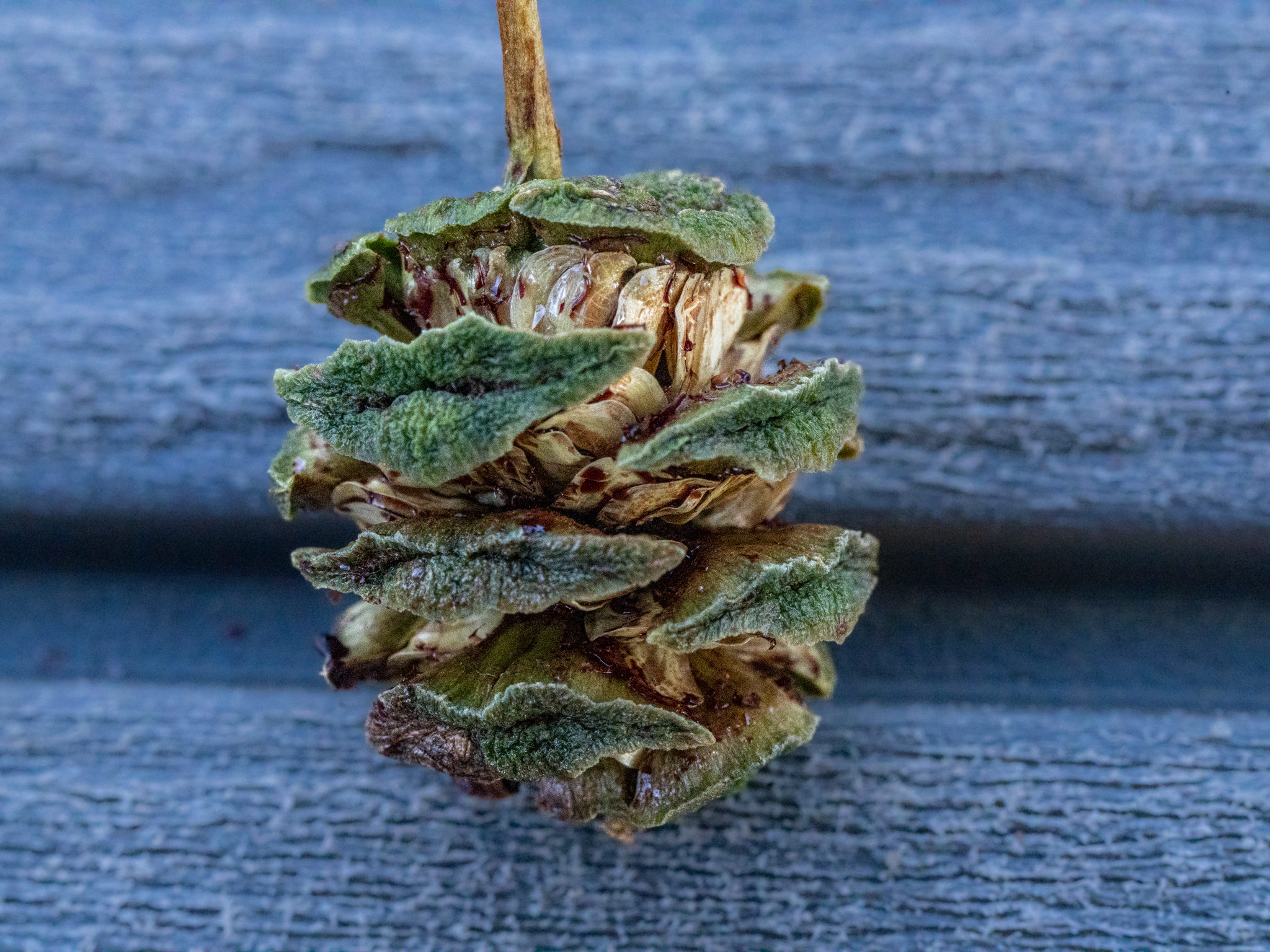
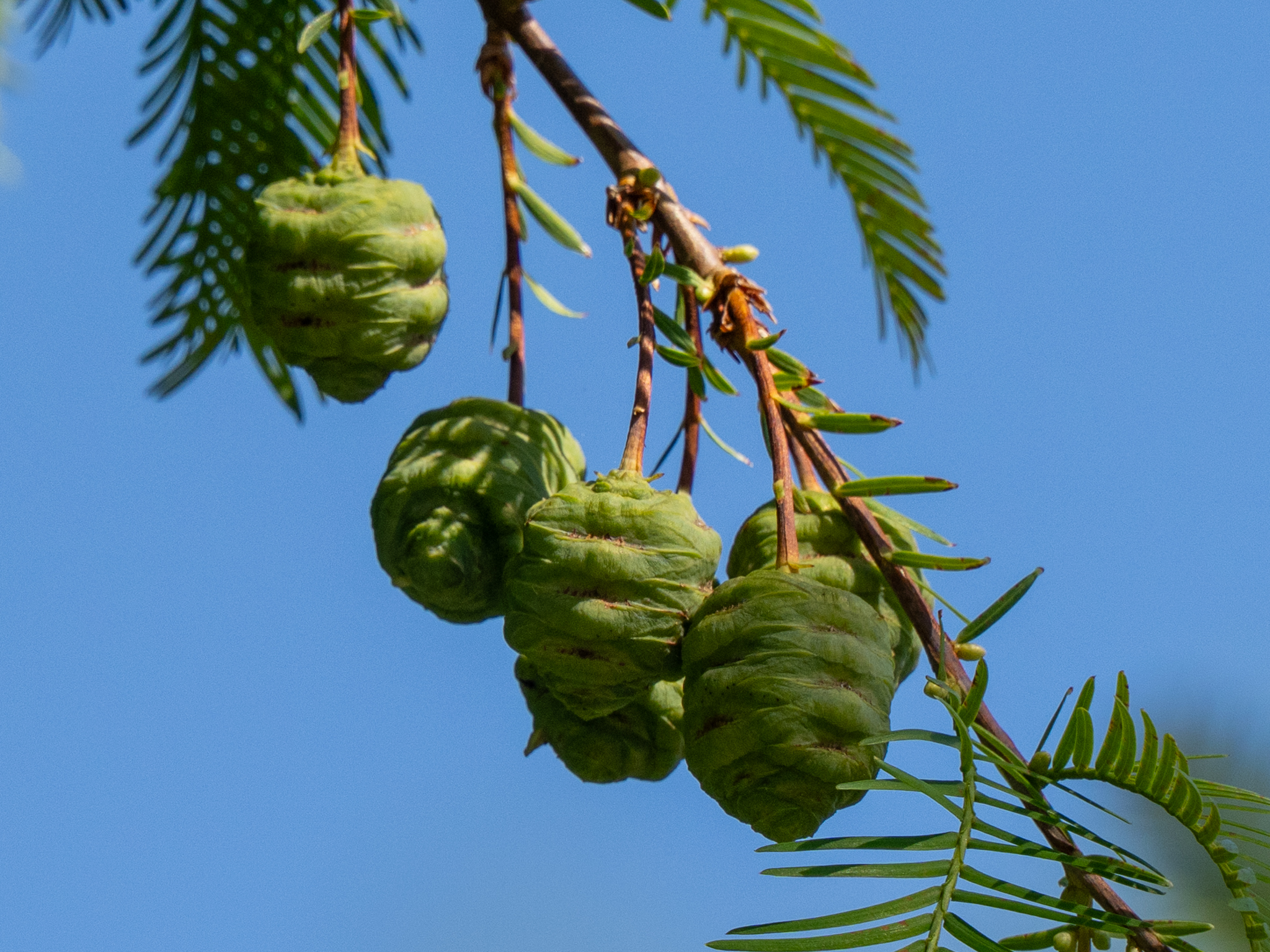
This metasequoia cone reminds that autumn is coming, and Christmas is not far away.
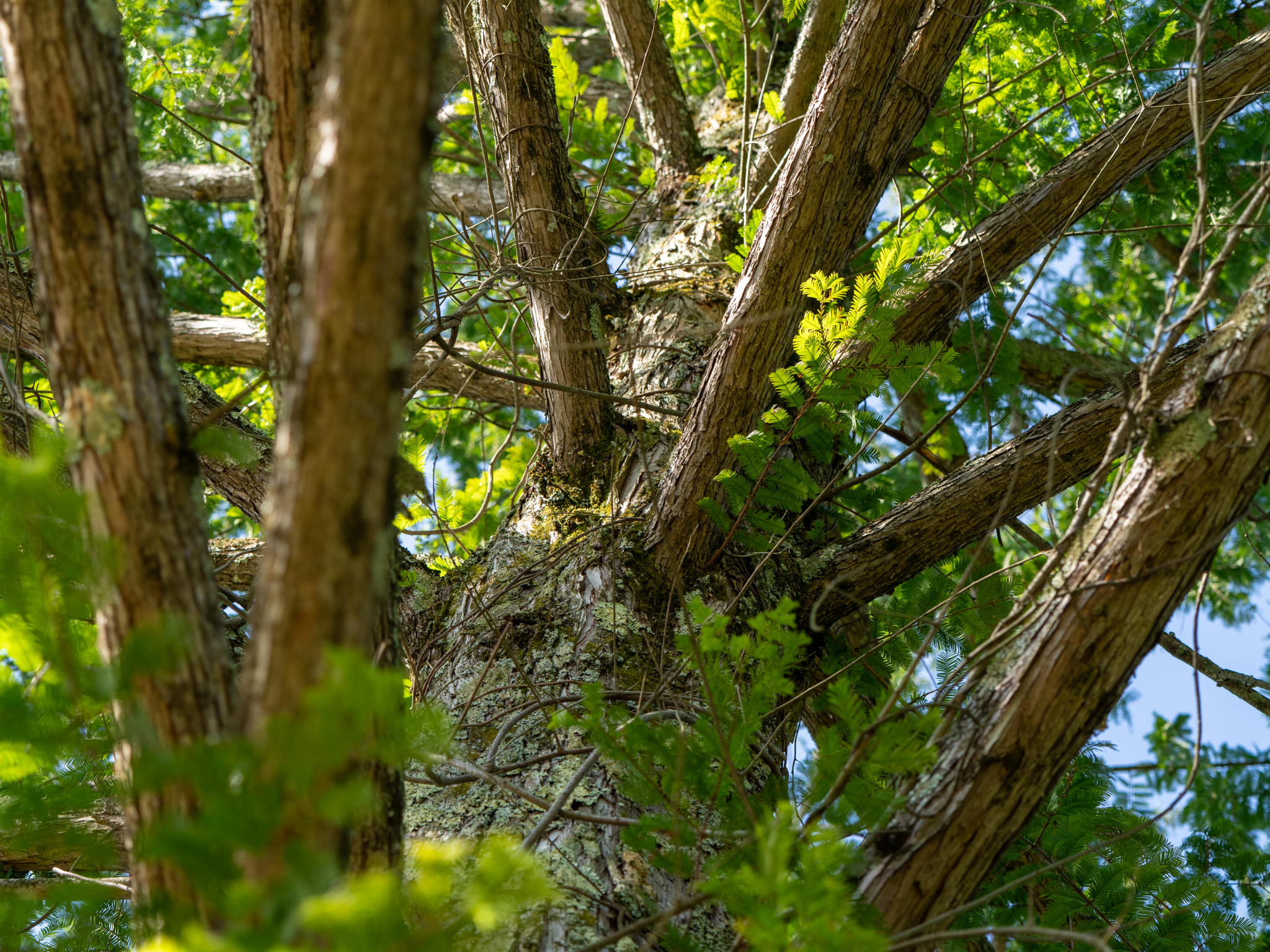
It comes from the dawn redwood tree on the farmland. That tree has been here since we moved here. I think it must even be older than me.
Dawn redwoods are special. For a long time, people thought they were extinct. People only know them from fossils. In the 1940s, living trees were found in China.
The cones are small, about the size of a walnut. Each cone has dozens of seeds. Look at the picture above, the cone opens its “mouse”, and drops tiny sees.
4. Life Ending
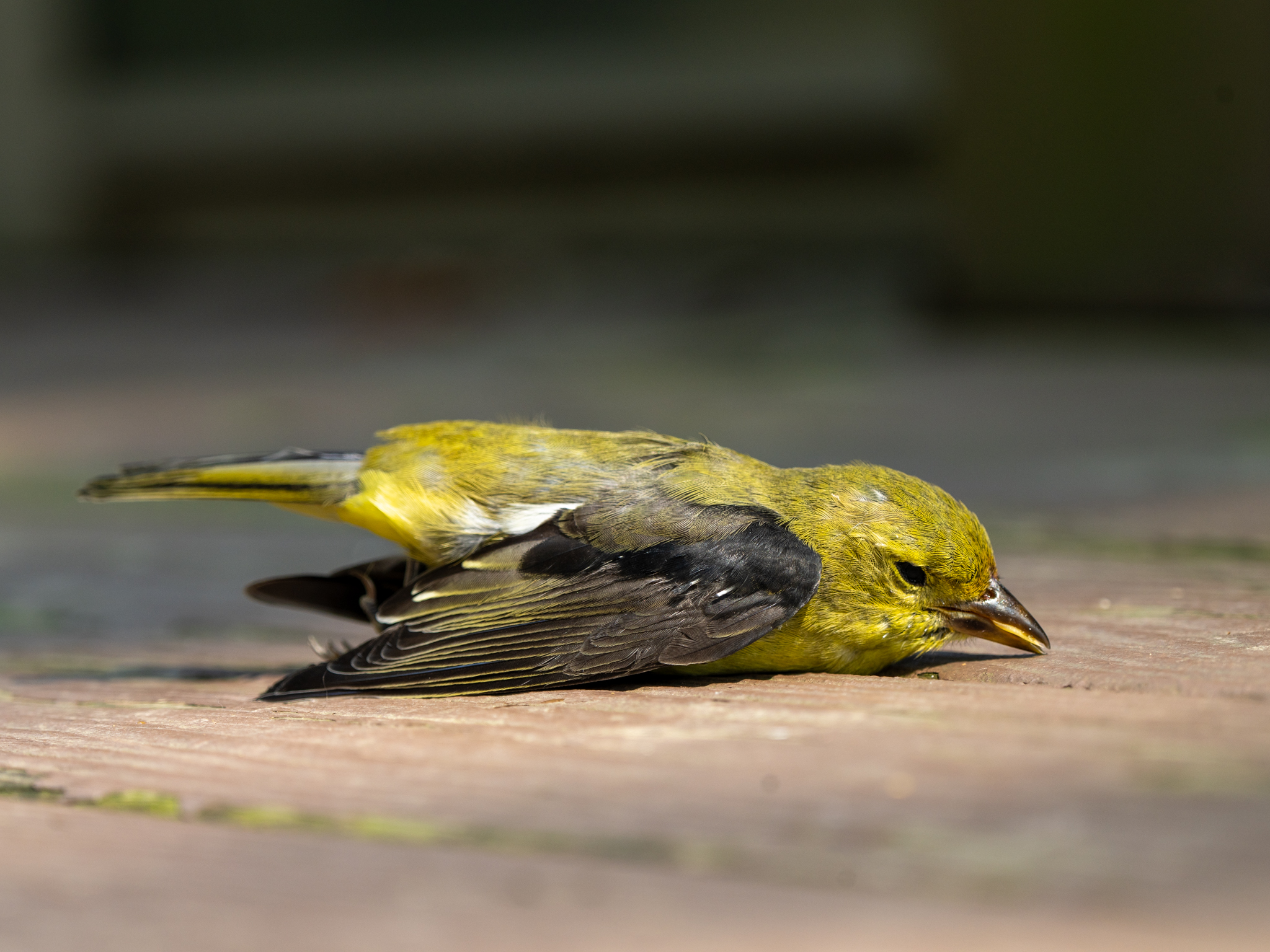
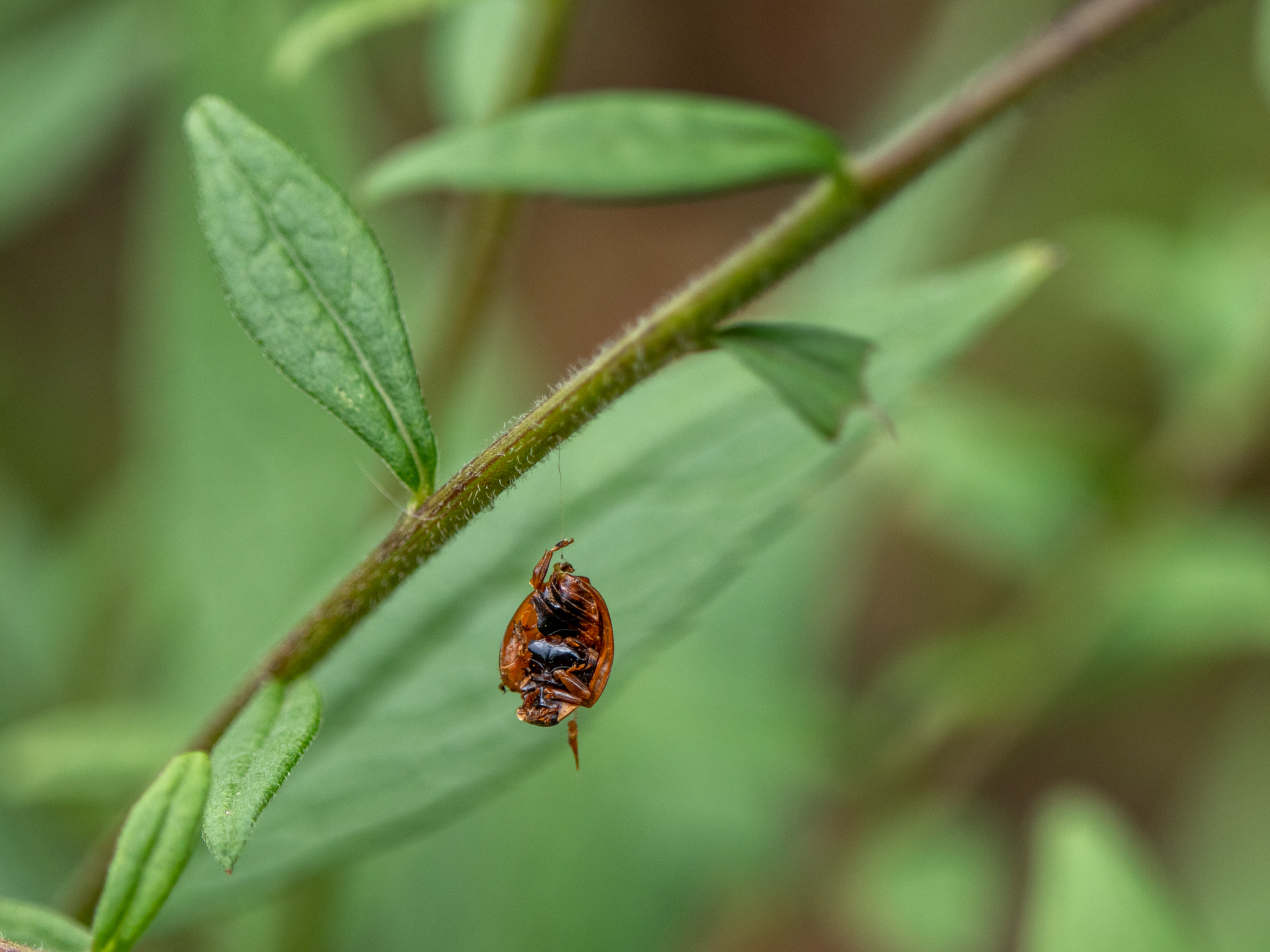
We saw a goldfinch outside our porch. It was no longer alive. We found a ladybug caught in a spider web.
We felt very sad when we saw them. But nature taught us something important. Life is not always a happy ending. And death is not the end. It is the start of a new journey. Both of them will return to nature in their own way.
 Bumpy Buggies
Leave a comment